


Denmark: Eritrea Immigration Report Deeply Flawed
(Brussels, December 17, 2014) – A Danish immigration report on Eritrea that suggests changing refugee policy for Eritrean asylum seekers is deeply flawed. Denmark and other European governments should await the outcome of the United Nations Commission of Inquiry on Eritrea, established in June 2014, before considering any major policy changes concerning Eritrea.
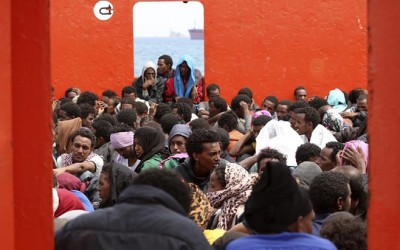
The Danish report suggests that the Eritrean government may be carrying out reforms that would allow Eritrean asylum seekers fleeing Eritrea’s abusive, indefinite national conscription program to be safely returned to the country. The number of Eritrean asylum seekers and migrants fleeing Eritrea and arriving in Europe has surged in recent years. A very high rate of Eritrean asylum seekers are granted refugee status or some other protected status in Europe, according to the UN High Commissioner for Refugees (UNHCR)’s statistics.
“The Danish report seems more like a political effort to stem migration than an honest assessment of Eritrea’s human rights situation,” said Leslie Lefkow, deputy Africa director. “Instead of speculating on potential Eritrean government reforms, host governments should wait to see whether pledges actually translate into changes on the ground.”
According to UNHCR, the number of Eritreans arriving in Europe tripled in 2014 to nearly 37,000 in the first 10 months.
Eritrea is isolated politically, both regionally and internationally, and is under UN sanctions due to its alleged past support for the militant group Al-Shabaab in Somalia. Some observers suggest that interest by European governments in stemming migration from the Horn of Africa is the main impetus for a variety of changes in policy toward the country, including the assessment of refugee policy.
Eritrea was among the African governments that met with European Union member states in Rome on November 28 as part of the EU-Horn of Africa Migration Route Initiative (also known as the Khartoum Process). Its stated aim is to prevent human trafficking and smuggling of migrants from the Horn to Europe.
The November report from the Danish Immigration Service, largely based on interviews with anonymous diplomatic and other sources in Eritrea, contains contradictory and speculative statements about Eritrea’s human rights situation. The sources also often qualify their statements, noting that there is no independent access to detention centers, that the fate of people returned to Eritrea is unclear, and that government reforms of the national service conscription are rumored, but not confirmed. There is no indication that the authors of the report interviewed victims or witnesses of human rights violations in Eritrea, and a prominent Eritrean academic consulted for the report has publicly criticized it.
Eritrea is one of the most closed countries in Africa, with no independent media, local nongovernmental organizations, or political opposition. The degree of government repression makes independent fact-finding in the country especially hard, including the difficulty of protecting interviewees from government reprisals. Eritrean refugee accounts are a primary source of information for international human rights investigators for this reason.
Eritrea’s dire human rights situation has been widely reported, including by a UN special rapporteur on Eritrea who has published several authoritative and damning reports on conditions. Human Rights Watch has not found any significant improvement in the human rights conditions in the past year.
The most common patterns of abuse in Eritrea include indefinite military conscription; forced labor during conscription; arbitrary arrests, detentions, and disappearances; torture and other degrading treatment in detention; restrictions on freedoms of expression, conscience, and movement; and repression of religious freedom. Eritrea’s policy of national service or military conscription is a significant reason for many young Eritreans to flee the country. By law each Eritrean is compelled to serve 18 months in national service starting at age 18, but in practice conscripts serve indefinitely; many for over a decade.
In June, the UN Human Rights Council condemned Eritrea’s “continued widespread and systematic violations of human rights and fundamental freedoms,” and adopted a resolution establishing a commission of inquiry to investigate abuses in Eritrea.
European governments should not make major policy changes toward Eritrea until they see the commission of inquiry findings, Human Rights Watch said.
“If the Eritrean government is really ready to carry out human rights reforms, it needs to give the UN commission of inquiry access so that it can make an objective assessment of progress,” Lefkow said. “The Eritrean government’s willingness to cooperate with the commission of inquiry will be the first test of whether it is ready to change course.”
More reporting on: http://www.hrw.org/news/2014/12/17/denmark-eritrea-immigration-report-deeply-flawed

 ኣኼባ ብሕጽር ዝበለ ዝኽሪ ነቲ ዓሚ ከምዚ ሎሚ ኣብ በይ-ኤርያ ፍልማይ ዑደቱ ዝፈለም ክቡር ኣቦን ሓውን ሎሚ ምሳና ዝየሎ ዶክተር ተወልደ (ወዲ ቫካሮ) ብምዝካር እዩ ተከፊቱ። ብኣዳለውቲ ምርጫ ከም ዝምራሕ ብምግባር ከኣ፡ ኣጀንዳታት ናይቲ ኣኼባ ሰሪዖም ንኣኼበኛ ብጽሑፍ ዓዲሎም ኣንበብሉ። ካብቲ ቀዳማይ ኣጀንዳ ዝተሰርዐ ጸብጻብ ናይ ዝሓለፈ ዓመት ምቕራብ እዩ ዝነበረ። ዮናስ ወልደኣብ ኣባል ቦርድ ብፓወር ፖይንት ኣሰንዩ፡ እቲ ማሕበር እንታይ ንጥፈታት ከም ዘካየደ፡ ብሓፈሽኡ ጉዕዞኡ እንታይ ይመስል ከምዝነበረ፡ ዓቕሙ ክብ ንምባል ድማ ዘለዎ ዕድላትን ተኽእሎታትን መደባትን ብምስራዕ ከመይ ክኸውን ከም ዝኽእል ኣረዲኡ። እንተኾነ ግና ሓደ ካብቲ ድኽመታት፡ ዓመታዊ ጸብጻብ ሽማግለ በይ ኤርያ ብምልኡነቱ ክቐርብ ዘይምኽኣሉ እዩ። ኣቦ-መንበር ኣብዚ ኣኼባ እዚ ሰለዘይተረኽበ፡ ከምኡ ዝኾነሉ ምኽንያት ብምክትል ኣደ-መንበር ብከምዚ ዝስዕብ ተገሊጹ። ንሱ ድማ እቲ ቦርድ ብፍርቂ ሓይሉ ጥራይ ይሰርሕ ብምንባሩ፡ ኣባላት ቦርድ ኣብ ገለ ገለ ግለሰባት ዘይምርድዳእ ስለዝነበር ኣብ ስራሕ ጸገማት የጋጥም ከምዝነበረን ከምቲ ዝተተለመ ክስጉም ከምዘይተኻእለ ሓቢራ። ስለዚ እቲ ቦርድ ሽግራት ስለዝነበሮ ፡ ነቲ ጸገማቱ ዝፈትሕን ዝዓርቕን ናይ ምርድዳእ ሽማግለ ተመስሪታ፡ ሓደ ሓደ ግድላት ከምዝፈትሐትን ከምዘረዳድአትን እውን ገሊጻ። ብሓፈሽኡ ነዚ ኣርእስቲ እዚ ኣልዒልና ክንዛረብ እንተድኣ ኾይና እቲ ጠንቅን ሳዕቤናቱ ርዱእ ክነሱ ኣውዒሉ ከሕድረና እዩ። ስለዝኾነ ኸኣ፡ ብሓፈሽኡ እቲ ስእሊ ከምዚ ኣሕጺረ ዝገለጽክዎ ኾይኑ፡ ኣብዚ ሎሚ መዓልቲ ኣኪብና ዘሎ ጉዳይ ናይ ምርጫ ተድሃብና ይሓይሽ ዝብል ርእይቶ ብምሃብ ደምዲማ። እቲ ኣኼበኛ ድማ ነዚ ርእይቶ እዚ ርዒሙ፡ ጉባኤ ናብ ጉዳይ ምርጫ ኣተወ።
  ድሕሪ ጸብጻብ ቦርድ፡ ኣዳላዊት ምርጫ ኣጋባብ ምርጫ ክመሓየሽ ኣለዎ ብማለት ነቲ ዝሓለፈ ሰሙንን ፈረቃን ክንዳለወሉ ዝቀነና እማመ ናብ ህዝቢ ቀረበ። እማመና ኣብቲ ሕገ-ህንጻ ማሕበር ስለዘየለ ከም ዓንቀጽ ወይ ዓንቀጻት ክሰፍር ኣለዎ ብማለት ኣኼበኛ ብድምጺ ንኸጽድቖ በብሓደ ተዘትይሉ። ብሓጺሩ፡ ምርጫ ክካየድ እንከሎ፡ ንሓደ ዜጋ ዝሓጺ ስለምንታይ ይሓጽዮ ከምዘሎ ክገልጽ፡ ተቓዉሞ ብዛዕባ ሕጹይ ዘለዎ ተቓውሞኡ ክገልጽ፡ ሕጹይ ነቲ ዝተሓጽዮ ስራሕ ኣመልኪቱ ዓቕሙን ክእለቱን ብቕዓቱን ክገልጽ፡ ንነብሱ ክፋልጥ ወ.ዘ.ተ. ብሓፈሽኡ ኤርትራዊ ዜጋ እዚ ኣጋባብ እዚ ንኽላማመድ ኣብ ሕገ-ህንጻ ማሕበር በይ-ኤርያ ኤርትራውያን ንዲሞክራስያዊ ለውጢ ንኽሰፍር ተሰማሚዑ። በዚ መሰረት እዚ ኸኣ እቲ ምርጫ ተኻይዱ። 16 ሕጹያት ቀሪቦም ካብኦም ከኣ 7 መሪሕነት ቦርድ ተመሪጾም። ምስኡ ተተሓሒዙ ከኣ ኮታ ወይ ሕዛእቲ ንተኻፋልነት ናይ ደቂ-ኣንስትዮ ኣብ መሪሕነት ዝምልከት፡ ብዝወሓደ ካብ 30% ናብ 40% ክብ ክብል ጸዲቑ። ኣብ ርእሲኡ ነዚ ሕግታት እዚ ኣብ ሕገ-ህንጻ ዘስፍሩን ካልእ ክምዕብልን ክመሓየሽን ዘድልዮ ዝርእዩን 3 ኣባላት ተመርጹ። ከማኡውን ክልተ ትቆጻጸርቲ ማሕበር ብተሳትፎ ጉባኤ ተመሪኢጻም ጸደቁ።


 For Freedom of Expression 2002 - 2016 - Contact us: